Xaviour
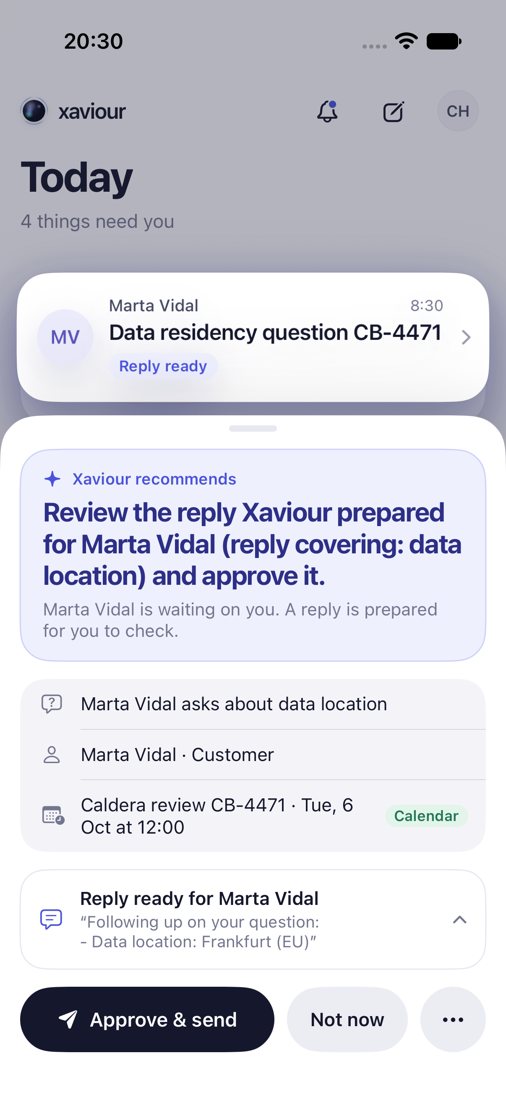
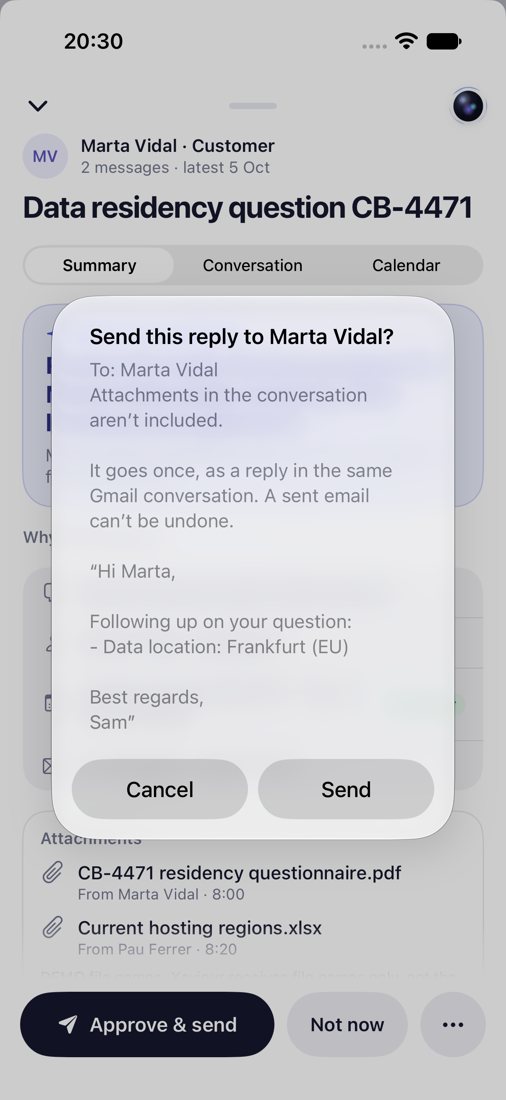
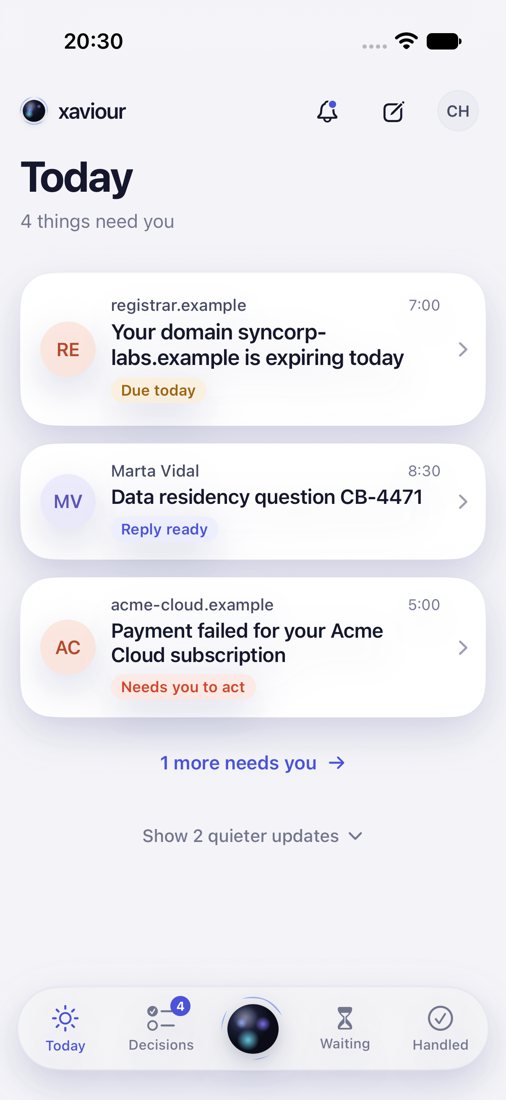
An AI communication OS that reads, understands and prepares, so you only make the decisions that need a human. It shows what it checked, and nothing is sent, archived or scheduled without your confirmation.


I design trustworthy systems, product concepts and research-backed software across AI, mobile, web, safety and automation. Formerly AWS, now Microsoft, and founder of Xaviour.
From an AI communication OS to a fuel-price app on two stores, each one built end to end: idea, design, engineering and release.
An AI communication OS that reads, understands and prepares, so you only make the decisions that need a human. It shows what it checked, and nothing is sent, archived or scheduled without your confirmation.


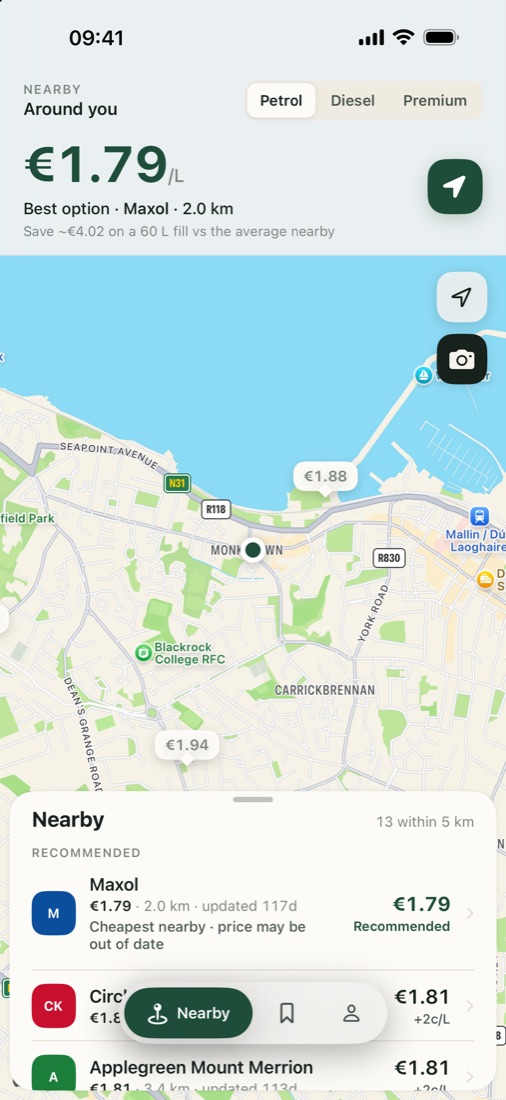
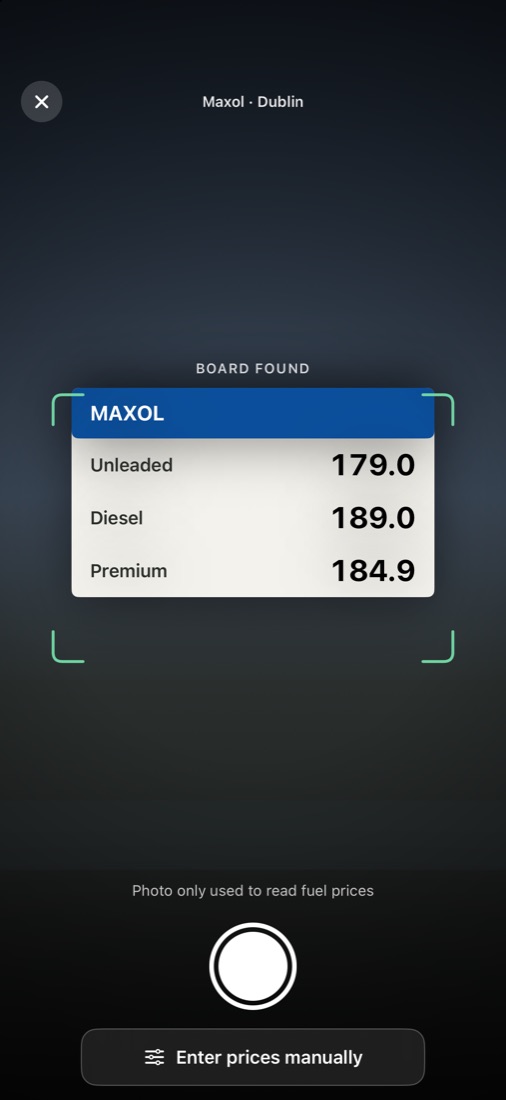
Community fuel prices for Ireland. Photograph a price board and the app reads it. Freshness is designed in: stale prices are never ranked.


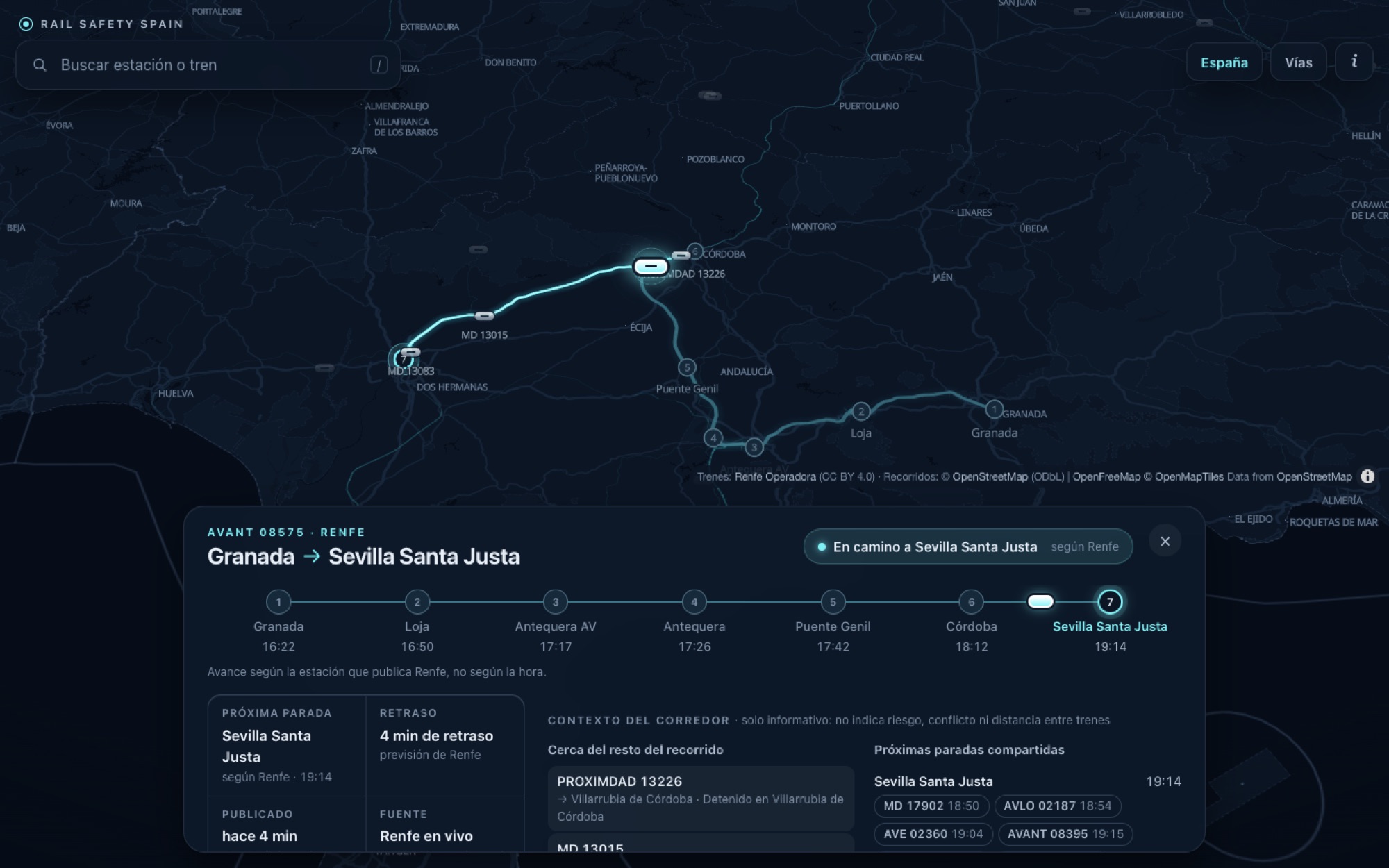
A calm, single-map view of Spain's Renfe trains built only from official open data, and explicitly informational: it never claims to be a safety system.

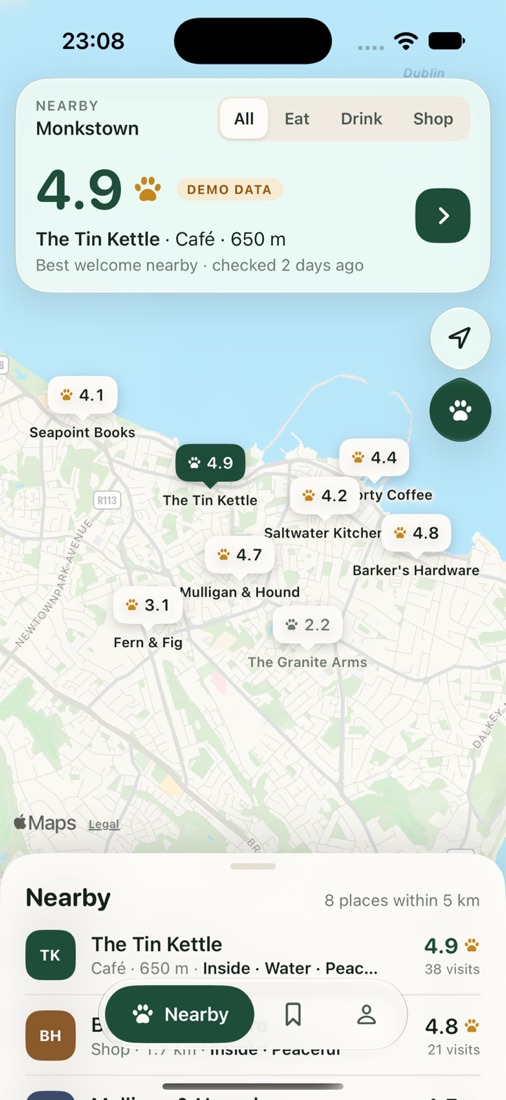
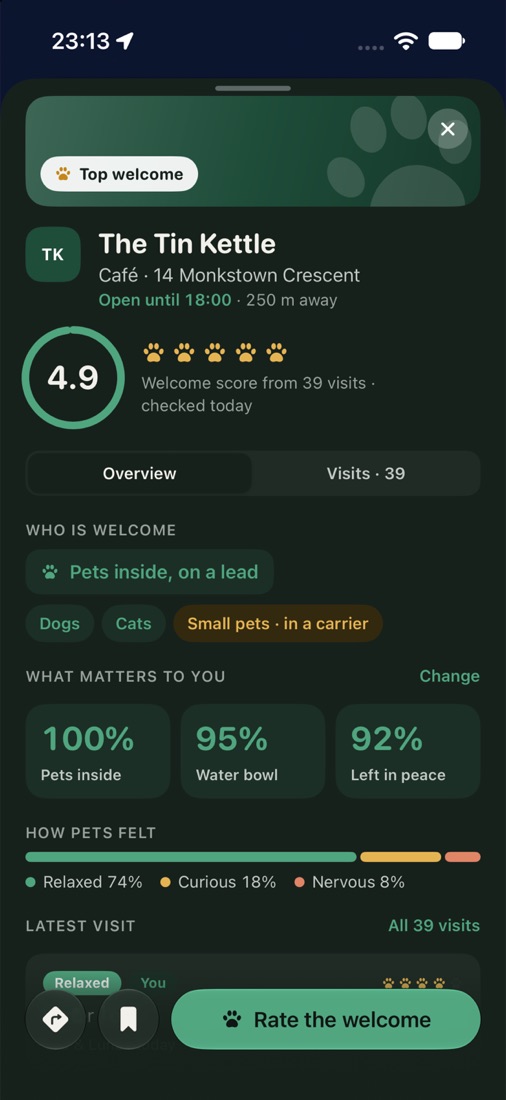
Find places in Ireland that genuinely welcome your pet. Owners confirm the welcome themselves, and "listed" is never shown as "confirmed".


Deterministic guardrails for AI coding agents: signed policy, human review and a tamper-evident record.

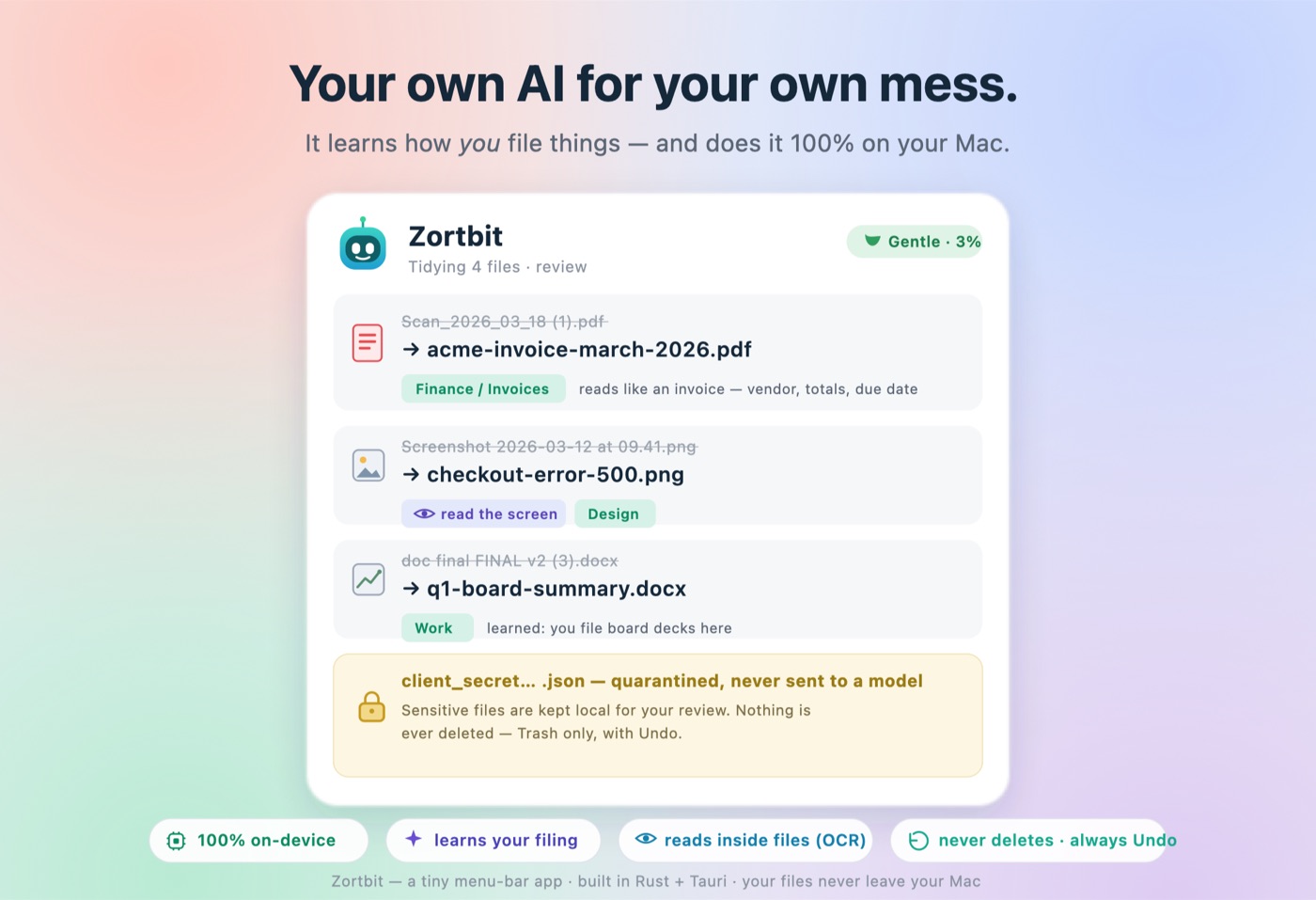
A local-AI file organiser for macOS. Nothing leaves the Mac, nothing is ever deleted, and every move can be undone.
The same few principles run through everything I make: products, prototypes and research.
Models draft, rank and suggest. Anything consequential waits for a person, and the system explains what it checked.
Undo is designed in from the first screen: receipts for every action, nothing permanently deleted, your data removable on request.
Stale data is labelled stale. Informational tools say they're informational. Research is pre-registered, and failures stay failures.
Whether an agent may act is decided by deterministic rules and signed policy, never by asking the model.
Managed services, few dependencies, and release checks that prove the right thing shipped. Simple systems are easier to trust.
Field demos from my Microsoft work, anonymised, alongside independent prototypes. Each card opens the idea behind it.
A multi-agent assistant that refuses to make governed changes itself. It raises an approval ticket, says no change was made, and waits for a person.
Answers from a product's own documentation and troubleshooting guides (fictional company), with a written test pack of questions and expected behaviour.
Retrieval, agentic patterns and AI-adoption demos and technical evaluations for enterprise teams across the Nordics and Iberia.
Mention it in a channel and it plans, uses tools and replies, passing heavy work to a background agent. It routes each request by difficulty and caps spend per conversation.
Shows what needs you, with one grounded recommendation and an editable draft. A person decides; nothing is ever sent.
An automated pipeline finds stories, a person approves them, and a claim-checker verifies every line before it's published and voiced.
Five coding agents on a Mac mini, supervised from an iPhone: a queue, evidence before every yes, and Face ID-signed approvals with a 30-second undo.
Turns a trial balance into statutory annual accounts with deterministic calculations and validation checks; exports to CSV, PDF and Word. No AI where arithmetic must be exact.
From my AWS years: Lambda and AWS Config tools that reported which instances mount which file systems, and caught a risky NFS option early.
Field demos are described without customer names or private details. All demo data is fictional.
BlockHarmony asked whether verified, versioned memory gives AI models better and cheaper context than retrieval. Nineteen pre-registered experiments later, mostly it didn't, and the frozen rule said to stop.
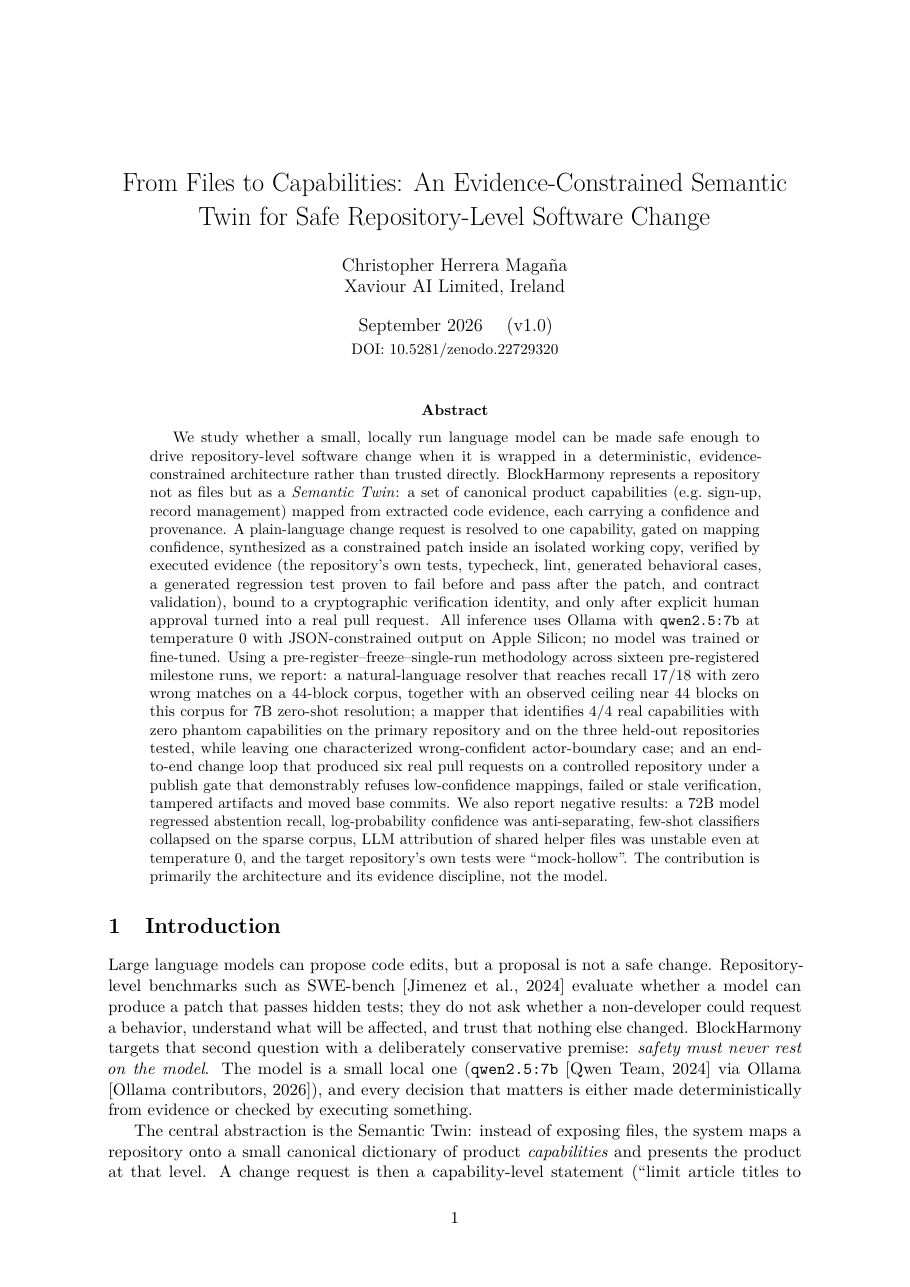
A small local model proposes code changes inside deterministic gates. Six real pull requests went through a publish gate that refused low-confidence, stale or tampered work. Negative results reported alongside.
Read the paper“The saving is selection, not notation.”
The single most useful finding: cheaper context comes from choosing the right facts, not from clever encodings. LLM fact extraction, not representation, was the weak link: 73.4% with perfect extraction, 33.2% without.
From customer support at Zendesk, to four years inside AWS production escalations, to a year building AI with Microsoft customers. I learned how systems really fail, and how people decide to trust them.
At Microsoft I help enterprise teams evaluate and adopt AI: retrieval, agents and the architecture around them. Outside work I build the products and run the experiments myself, from cloud infrastructure to native apps to evaluation harnesses.
Born in Mexico, based in Dublin. I work in English and Spanish.
Xaviour, FuelRadar, Fáilte Paws. NDRC Startup Sprint finalist.
100+ customer AI demos and technical evaluations: Foundry, RAG, Foundry IQ and agentic patterns.
EMEA EFS subject-matter expert, 50+ critical escalations, 97.4% customer satisfaction; mentored 6+ engineers.
Bilingual enterprise SaaS support for 200+ customers in English and Spanish.
Earlier: BEng Electronics Engineering, UAM, Mexico.
Agents, RAG, evaluation design, model selection, human-in-the-loop workflows.
AWS and Azure: serverless, containers, identity, secure hosting, IaC.
Native iOS and Android, Next.js and TypeScript, design and release.
Guardrails, approvals, privacy by design, honest measurement.
Open to conversations about applied AI, cloud architecture and product engineering roles.